Welcome to Dresden-Guide.info, an independent English-language travel guide to Dresden, one of Germany’s most beautiful historic cities. Located on the River Elbe in eastern Germany, Dresden is famous for its magnificent Baroque architecture, world-class museums, impressive churches and carefully restored historic centre.
The capital of Saxony is often called the “Florence on the Elbe”. This nickname reflects the city’s remarkable artistic heritage, beautiful riverside setting and extraordinary collection of historic buildings.

Many of Dresden’s most important attractions are located close together in the historic Old Town. Visitors can explore the famous Frauenkirche, the Semperoper, the Zwinger Palace and the Royal Palace during a relatively short walk.
However, Dresden offers much more than its historic centre. The city has beautiful parks, interesting neighbourhoods, excellent museums and attractive landscapes along the River Elbe. It is also an ideal starting point for excursions to Meissen, Moritzburg Castle and the spectacular sandstone formations of Saxon Switzerland.
Our travel guide introduces the most important sights in Dresden, interesting museums, guided tours, boat excursions and practical information for planning your visit.
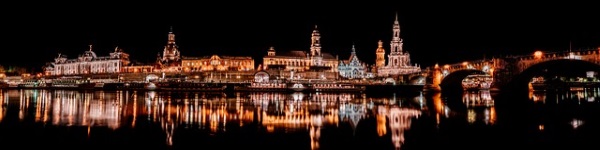
Dresden at a Glance – Essential Travel Information
Dresden is the capital of the German federal state of Saxony and one of the most important cultural destinations in eastern Germany. The city has approximately 570,000 inhabitants and is located near the borders with the Czech Republic and Poland.
Although Dresden is famous for its historic architecture, it is also a modern city with universities, research institutions, technology companies and a lively cultural scene.
The River Elbe flows through Dresden and contributes significantly to the city’s attractive landscape. Historic buildings, bridges, vineyards and green riverbanks create a distinctive atmosphere.
Dresden Travel Information
- Location: Saxony, eastern Germany
- Population: Approximately 570,000
- River: Elbe
- Currency: Euro (€)
- Language: German
- Most famous landmark: Frauenkirche
- Important attractions: Zwinger, Semperoper and Royal Palace
- Popular activities: Sightseeing, museums, guided tours and Elbe boat trips
- Recommended stay: Two to three days for Dresden; longer for excursions
- Popular day trips: Meissen, Moritzburg, Bastei Bridge and Leipzig
The Best Sights in Dresden
Dresden’s historic centre contains an exceptional concentration of important buildings and monuments. Many were damaged or destroyed during the Second World War and subsequently restored or reconstructed.
The reconstruction of Dresden’s historic landmarks is an important part of the city’s modern identity. Visitors can admire buildings from different architectural periods, particularly the Baroque era.
Our comprehensive guide to the best sights in Dresden provides an overview of the city’s major attractions.
Frauenkirche – Dresden’s Most Famous Landmark
The Frauenkirche is probably the most famous building in Dresden.
This magnificent Protestant church was originally completed in the eighteenth century and became one of the most important examples of Baroque church architecture in Germany.
During the bombing of Dresden in February 1945, the Frauenkirche was severely damaged and subsequently collapsed. Its ruins remained in the centre of Dresden for decades, serving as a reminder of the destruction of war.
After German reunification, an ambitious reconstruction project began. The restored Frauenkirche was consecrated in 2005 and has since become a symbol of reconciliation and reconstruction.
Today, visitors can admire the beautiful interior, attend services or concerts and, subject to opening arrangements, enjoy panoramic views from the dome.
The surrounding Neumarkt square has also been extensively rebuilt and is one of Dresden’s most attractive historic areas.
Semperoper – One of Europe’s Most Famous Opera Houses
The Semperoper is one of Germany’s most famous opera houses.
Located at Theaterplatz, close to the Zwinger and the River Elbe, the building is renowned for its elegant architecture and richly decorated interior.
The opera house is associated with important composers and a long musical tradition. Today, it is home to the Saxon State Opera and the Staatskapelle Dresden.
Visitors can attend opera and ballet performances or explore the building during a guided tour, depending on the current programme.
Because popular performances can sell out, advance booking is recommended.
Zwinger Palace – Dresden’s Baroque Masterpiece
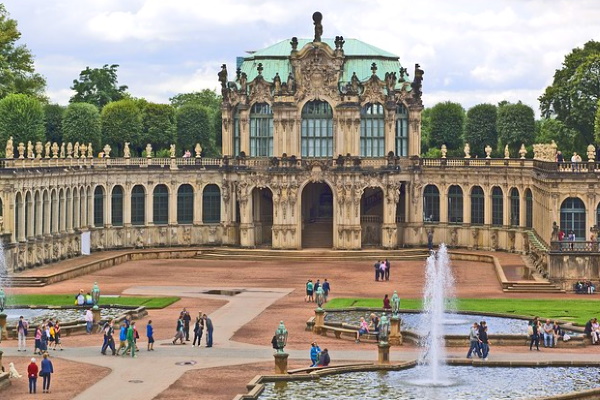
The Dresden Zwinger is one of the most impressive Baroque architectural complexes in Germany.
It was built during the reign of Augustus the Strong, the powerful Elector of Saxony and King of Poland.
The complex is famous for its elegant pavilions, sculptures, galleries and large courtyard.
Today, the Zwinger houses several important museum collections, including the Old Masters Picture Gallery, the Porcelain Collection and the Mathematical-Physical Salon.
The Zwinger is an essential attraction for visitors interested in architecture, art and European history.
Dresden Royal Palace – The Residenzschloss
The Dresden Royal Palace, also known as the Residenzschloss, was the residence of Saxon rulers for centuries.
The palace complex contains architectural elements from several periods and is one of Dresden’s most important historic buildings.
Today, it houses remarkable museum collections, including the famous Green Vault, known for its treasures, precious objects and elaborate craftsmanship.
Visitors interested in royal history, decorative arts and magnificent historic interiors should allow sufficient time to explore the palace.
Fürstenzug – The Procession of Princes
The Fürstenzug is one of Dresden’s most unusual attractions.
This enormous mural depicts a procession of Saxon rulers and stretches for approximately 100 metres along an exterior wall near the Royal Palace.
The artwork is made from thousands of porcelain tiles produced in Meissen.
It is one of the most popular photo opportunities in Dresden’s historic centre and can be admired without an admission ticket.
Brühl’s Terrace – The Balcony of Europe
The Brühl’s Terrace is a beautiful promenade overlooking the River Elbe.
Often called the “Balcony of Europe”, it offers impressive views of the river, bridges and surrounding historic buildings.
The terrace is located close to the Frauenkirche and other major attractions, making it an ideal stop during a walking tour.
Visitors can enjoy the scenery, take photographs and watch boats travelling along the Elbe.
Augustus Bridge
The Augustus Bridge connects Dresden’s historic Old Town with the Neustadt district on the opposite side of the River Elbe.
The bridge is one of the city’s most recognisable landmarks and offers excellent views of the historic skyline.
It is particularly attractive for pedestrians exploring both sides of the river.
Other Interesting Attractions in Dresden
In addition to its famous historic buildings, Dresden offers many other attractions worth discovering.
The Golden Horseman
The Golden Horseman is an impressive equestrian statue of Augustus the Strong.
Located in Neustadt, near Augustus Bridge, the gilded monument is one of Dresden’s most famous landmarks.
It is a convenient stop when exploring the northern side of the Elbe.
Blue Wonder Bridge
The Blue Wonder, officially the Loschwitz Bridge, is one of Dresden’s best-known bridges.
Its distinctive steel construction and blue colour make it an important landmark in the eastern part of the city.
The surrounding neighbourhoods are attractive for walking, restaurants and views of the River Elbe.
Pfund’s Dairy – A Famous Historic Shop
Pfund’s Dairy is one of Dresden’s most unusual tourist attractions.
The historic dairy shop is famous for its richly decorated interior with beautiful tiles.
Visitors interested in historic shops and traditional craftsmanship should consider including it in their itinerary.
Kunsthofpassage – Creative Architecture in Neustadt
The Kunsthofpassage is a collection of creatively designed courtyards in Dresden’s Neustadt district.
The area is famous for its colourful facades, unusual architectural details, small shops and cafes.
It offers a completely different atmosphere from the grand Baroque buildings of the Old Town.
The Elbe Castles
The Elbe Castles are a group of impressive historic buildings overlooking the River Elbe.
They are located east of the city centre and form part of Dresden’s attractive riverside landscape.
The surrounding area is particularly pleasant for walking and enjoying views across the valley.
Museums in Dresden – Art, History and Science
Dresden is internationally famous for its museum collections.
The city’s historic rulers collected paintings, porcelain, scientific instruments and precious objects over several centuries.
Today, visitors can explore an extraordinary variety of museums covering European art, technology, history and local culture.
Our guide to the best museums in Dresden provides an overview.
Old Masters Picture Gallery
The Old Masters Picture Gallery is one of Germany’s most important art museums.
Located in the Zwinger complex, it contains masterpieces of European painting from several centuries.
One of its most famous works is Raphael’s Sistine Madonna.
Art enthusiasts should consider this museum one of the highlights of a visit to Dresden.
Albertinum – Modern Art and Sculpture
The Albertinum is another important art museum in Dresden.
It is located near Brühl’s Terrace and houses collections of paintings and sculpture.
The museum is particularly interesting for visitors who want to explore art from the nineteenth century onwards.
Porcelain Collection
The Dresden Porcelain Collection is internationally renowned.
It reflects the importance of porcelain to Saxon history and the artistic interests of Augustus the Strong.
The collection includes valuable examples of European and Asian porcelain.
Mathematical-Physical Salon
The Mathematical-Physical Salon is one of the world’s oldest collections of scientific instruments.
Its exhibits include historic clocks, astronomical instruments and objects associated with scientific measurement.
The museum is particularly attractive for visitors interested in the history of science and technology.
Panometer Dresden
The Panometer Dresden presents large panoramic artworks inside a former industrial building.
Its immersive exhibitions offer an unusual way to experience historical scenes and artistic reconstructions.
Visitors should check which panorama is currently on display.
TimeRide Dresden
TimeRide Dresden offers an interactive experience focused on the city’s history.
It uses modern presentation technology to introduce visitors to Dresden in earlier periods.
This can be an interesting alternative to traditional museums.
Dresden Museums Card
Visitors planning to explore several museums may be interested in the Dresden Museums Card.
Different museum passes and combination tickets may be available. Because conditions and participating museums can change, visitors should check current offers before purchasing.
Churches in Dresden
Dresden has several important historic churches, many of which are architectural landmarks.
The Frauenkirche is the most famous, but other churches also reflect the city’s religious and cultural history.
Our guide to the churches of Dresden introduces additional places of interest.
Dresden Neustadt – A Different Side of the City
While Dresden’s Old Town is famous for monumental architecture and museums, the Neustadt district offers a more alternative and contemporary atmosphere.
The area north of the River Elbe is known for its restaurants, bars, independent shops and cultural venues.
One of its most interesting attractions is the Kunsthofpassage, with its unusual courtyards and creative architecture.
Visitors can also see the Golden Horseman near the river.
Neustadt is a good place to explore after visiting the historic monuments of the Old Town.
Boat Trips on the River Elbe
The River Elbe is an important part of Dresden’s landscape and history.
One of the most enjoyable ways to discover the city is from the water.
Our guide to boat tours in Dresden introduces different excursion possibilities.
Traditional paddle steamers and other passenger boats operate on the Elbe, with routes that may include nearby castles, vineyards and attractive riverside landscapes.
Some excursions travel towards Pillnitz, while longer trips may explore the scenic Elbe Valley.
Schedules depend on the season, water levels and operating conditions, so visitors should check current departures.
Guided City Tours in Dresden
A guided walking tour is an excellent way to discover Dresden’s historic centre.
Many of the city’s famous attractions are located close together, allowing visitors to see several important landmarks during a relatively short tour.
Guides often explain the history of the Frauenkirche, Zwinger, Semperoper, Royal Palace and the reconstruction of Dresden after the Second World War.
Our guide to city tours in Dresden provides additional information.
Book a Guided Walking Tour of Dresden
Discover Dresden’s historic Old Town with a guided walking tour. Learn more about the city’s famous architecture, royal history and most important attractions.
View tour details, current prices and availability »
Please note: The linked tour is advertised as a German-language walking tour. Check the available languages before booking.
Visitors who prefer to explore independently can also use our overview of the main Dresden attractions to plan their own walking route.
Day Trips from Dresden – The Best Excursions
Dresden is an excellent base for exploring Saxony and neighbouring regions.
Within a relatively short distance, visitors can discover historic towns, magnificent castles, beautiful landscapes and impressive natural attractions.
Our guide to the best excursions from Dresden provides additional suggestions.
Meissen – Historic Town and Famous Porcelain
Meissen is one of the most attractive towns near Dresden.
Located on the River Elbe, it is famous for its medieval old town, impressive castle and centuries-old porcelain tradition.
The town can be reached relatively easily from Dresden by regional train.
One of its most important attractions is the Meissen Porcelain Manufactory.
Visitors can learn about the history of European porcelain production and admire examples of the famous Meissen craftsmanship.
Moritzburg Castle
Moritzburg Castle is one of Saxony’s most beautiful Baroque castles.
It stands on an artificial island surrounded by water and is famous for its picturesque setting.

The castle is closely associated with Augustus the Strong and is particularly attractive for photography.
Moritzburg is a popular half-day or full-day excursion from Dresden.
Pillnitz Palace
Pillnitz Palace is located on the River Elbe southeast of Dresden’s city centre.
The palace complex combines impressive architecture with extensive gardens and parkland.
It was used as a summer residence by the Saxon rulers and is one of the region’s most beautiful historic attractions.
Visitors can reach Pillnitz by public transport, car or, depending on the season, by boat.
Bastei Bridge – Spectacular Views in Saxon Switzerland
The Bastei Bridge is one of the most famous natural attractions in eastern Germany.
Located in Saxon Switzerland National Park, it connects dramatic sandstone rock formations high above the Elbe Valley.
The surrounding viewpoints offer spectacular views of forests, cliffs and the river below.
For nature lovers and photographers, the Bastei is one of the most rewarding excursions from Dresden.
Rathen – Gateway to the Bastei
Rathen is a picturesque village on the River Elbe and an important starting point for excursions into Saxon Switzerland.
It is particularly popular with hikers visiting the Bastei rock formations.
Rathen can be reached by regional train from Dresden, making it an attractive destination without a car.
Königstein Fortress
Königstein Fortress is one of Europe’s most impressive hilltop fortifications.
The enormous fortress stands on a sandstone plateau above the Elbe Valley.
Visitors can explore historic buildings, exhibitions and defensive structures while enjoying panoramic views of Saxon Switzerland.
It is one of the region’s most important historic attractions.
Leipzig – Another Major City in Saxony
Leipzig is the largest city in Saxony and an attractive destination for a day trip from Dresden.
The city is famous for its musical history, historic churches, university and cultural attractions.
Visitors can explore the city centre on foot or join a guided tour.
Our articles about walking through Leipzig and Leipzig city tours provide practical suggestions.
Families may also be interested in Leipzig Zoo, one of Germany’s best-known zoological gardens.
Dresden with Children – Family Attractions
Dresden offers several interesting attractions for families travelling with children.
In addition to parks, boat trips and interactive museums, the city has a zoo and other educational attractions.
Dresden Zoo
Dresden Zoo is located near the city centre and is a popular destination for families.
It offers opportunities to observe a variety of animals and enjoy a relaxing day outdoors.
Panometer and TimeRide
The Panometer and TimeRide Dresden offer unusual experiences that may appeal to older children and teenagers.
Both attractions use large-scale visual presentations or interactive technology to bring historical subjects to life.
Karl May Museum
The Karl May Museum is located in nearby Radebeul.
It is dedicated to the famous German adventure writer Karl May and offers exhibitions connected with his life and works.
Dresden’s History and the Second World War
Dresden has a long and fascinating history, particularly as the former royal capital of Saxony.
During the eighteenth century, Augustus the Strong and his successors transformed the city into an important European centre of art and architecture.
The magnificent Zwinger, royal collections and numerous Baroque buildings reflect this period of prosperity.
However, Dresden’s history also includes one of the most destructive episodes of the Second World War.
In February 1945, Allied air raids caused widespread destruction and killed many thousands of people.
Large parts of the historic centre were destroyed or severely damaged.
After the war, Dresden became part of East Germany. Some historic buildings were restored during the socialist period, while others remained in ruins for decades.
Following German reunification in 1990, additional reconstruction projects transformed the historic centre.
The rebuilding of the Frauenkirche, completed in 2005, became one of the most important symbols of this process.
Bautzner Straße Memorial
Visitors interested in twentieth-century German history can explore the Bautzner Straße Memorial.
The memorial documents political persecution and imprisonment during the period of East Germany.
It provides important historical context beyond Dresden’s famous royal and Baroque heritage.
Getting to Dresden
Dresden is well connected to other German cities and neighbouring countries.
Visitors can reach the city by train, car, long-distance bus or plane.
Our guide to travelling to Dresden provides additional information.
Travelling by Train
Dresden Central Station is an important railway hub in eastern Germany.
Regular rail services connect Dresden with Leipzig, Berlin, Prague and other destinations.
Visitors arriving by train can reach the historic centre using local public transport or on foot, depending on their destination.
Getting Around Dresden
Dresden has an extensive public transport network consisting of trams, buses and suburban trains.
Many of the main tourist attractions in the historic Old Town are within walking distance of each other.
For destinations such as Pillnitz, the Blue Wonder Bridge or more distant neighbourhoods, public transport can be useful.
How Many Days Should You Spend in Dresden?
Dresden is particularly suitable for a short city break, but visitors interested in museums and excursions can easily spend several additional days in the region.
One Day in Dresden
With one day, concentrate on the historic Old Town.
Start at the Frauenkirche and Neumarkt, continue to the Fürstenzug and Royal Palace, and then visit Theaterplatz with the Semperoper and Zwinger.
Finish with a walk along Brühl’s Terrace and enjoy views of the River Elbe.
Two Days in Dresden
With two days, visitors can explore the main attractions more thoroughly and add one or two museums.
Popular options include the Old Masters Picture Gallery, the Royal Palace collections or the Albertinum.
There is also time to explore Neustadt and the Kunsthofpassage.
Three Days in Dresden
Three days allow a more relaxed sightseeing programme.
Visitors can combine the historic centre with a boat trip on the Elbe, Pillnitz Palace or additional museums.
Families may want to visit Dresden Zoo or one of the city’s interactive attractions.
Four Days or Longer
With four or more days, Dresden becomes an excellent base for excursions throughout Saxony.
Popular destinations include Meissen, Moritzburg Castle, the Bastei Bridge, Königstein Fortress and Leipzig.
When Is the Best Time to Visit Dresden?
Dresden is an attractive destination throughout the year.
Spring
Spring is a pleasant time for sightseeing, exploring gardens and walking along the River Elbe.
Temperatures gradually become milder, and outdoor activities become more attractive.
Summer
Summer is particularly suitable for boat excursions, outdoor sightseeing and visits to Saxon Switzerland.
Popular attractions may be crowded during school holidays and weekends.
Autumn
Autumn is a beautiful season for exploring the Elbe Valley and nearby forests.
It can also be a pleasant time for visiting museums and historic towns.
Winter and the Striezelmarkt
Dresden is famous for its traditional Christmas market, the Striezelmarkt.
It is one of Germany’s oldest and best-known Christmas markets and attracts visitors from many countries.
The festive atmosphere makes Dresden particularly attractive during the Advent season.
Visitors should check the current dates and opening hours before travelling.
Practical Tips for Visiting Dresden
Useful Information for Your Dresden Holiday
- Historic centre: Most major attractions are within walking distance.
- Public transport: Trams and buses are useful for more distant destinations.
- Museums: Check opening days and ticket arrangements in advance.
- Guided tours: A walking tour is a convenient introduction to Dresden’s history.
- Boat trips: Schedules depend on season and river conditions.
- Accommodation: Hotels near the Old Town are convenient for sightseeing.
- Day trips: Meissen and Saxon Switzerland can be reached using regional transport.
- Christmas season: Book accommodation early if visiting during the Striezelmarkt.
Explore Dresden with Our Independent Travel Guide
Dresden is one of Germany’s most rewarding destinations for visitors interested in architecture, art and history.
Its magnificent Frauenkirche, impressive Zwinger, famous Semperoper and outstanding museum collections make it an exceptional cultural destination.
At the same time, the city offers beautiful riverside scenery, lively neighbourhoods and excellent opportunities for excursions.
Whether you are planning a weekend in Dresden or a longer holiday in Saxony, our travel guide will help you discover interesting attractions and plan your visit.
Opening hours, admission prices, tour schedules and transport arrangements may change. For important travel plans, we recommend checking current information with the relevant provider.
Enjoy discovering Dresden and Saxony!
More European Travel Guides
Planning to explore other European destinations? Our independent travel guides provide additional information about interesting cities and attractions.
Discover Germany, visit Berlin or explore Bavaria with our Munich travel guide.
Other popular destinations include Vienna, Prague and Florence.
Visitors planning a trip to Poland may also be interested in tours of the Wieliczka Salt Mine near Krakow.